Dézaley Chemin de Fer: the story of a great Lavaux wine born by the railway tracks
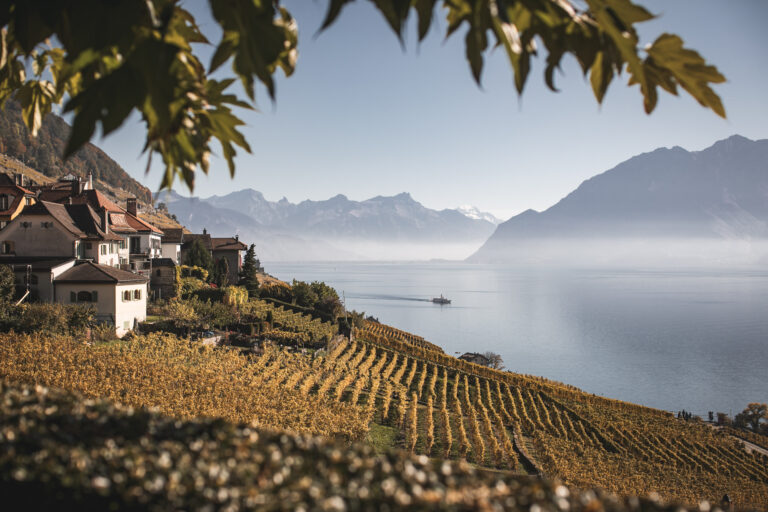
At the foot of the Dézaley terraces, where the vines slope almost down to Lake Geneva, a plot of land bears a unique name. Dézaley Chemin de Fer , the flagship wine of La Maison Massy, tells the story of eight centuries of winemaking in Lavaux, the arrival of the railway on the lake’s shores, and the unwavering determination of a family of winemakers. Let’s trace the threads of this history.
Albert Massy, a destiny that did not lead to the vineyard
Nothing predestined Albert Massy to become a winemaker. Born in 1876 in L’Orient, in the Vallée de Joux, the eighth of eleven children, he studied in Frauenfeld and then joined the family watchmaking business. He furthered his training in Stuttgart before spending three years at a colonial trading post in Sierra Leone. Malaria eventually forced him to return home.
In 1903, he joined a wine merchant in Epesses. This year marked a major turning point in his life. He married Julienne Mégroz, a local girl, gradually acquired his first plots of land, founded his own business, and settled at Clos du Boux. Together, they laid the foundations of a winemaking lineage that now spans four generations.
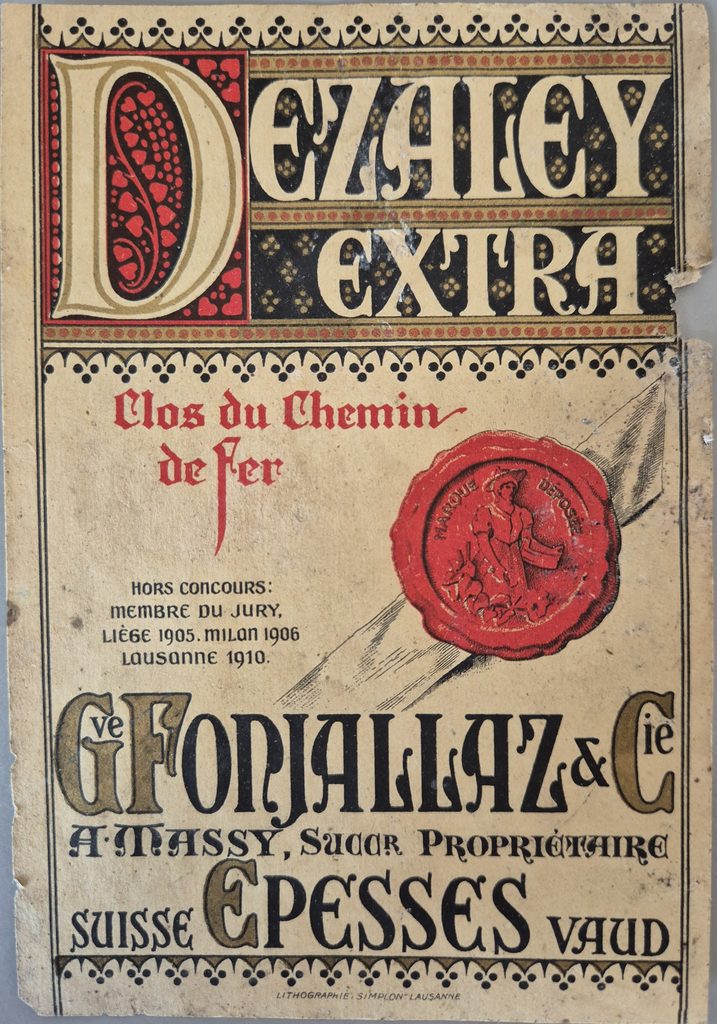
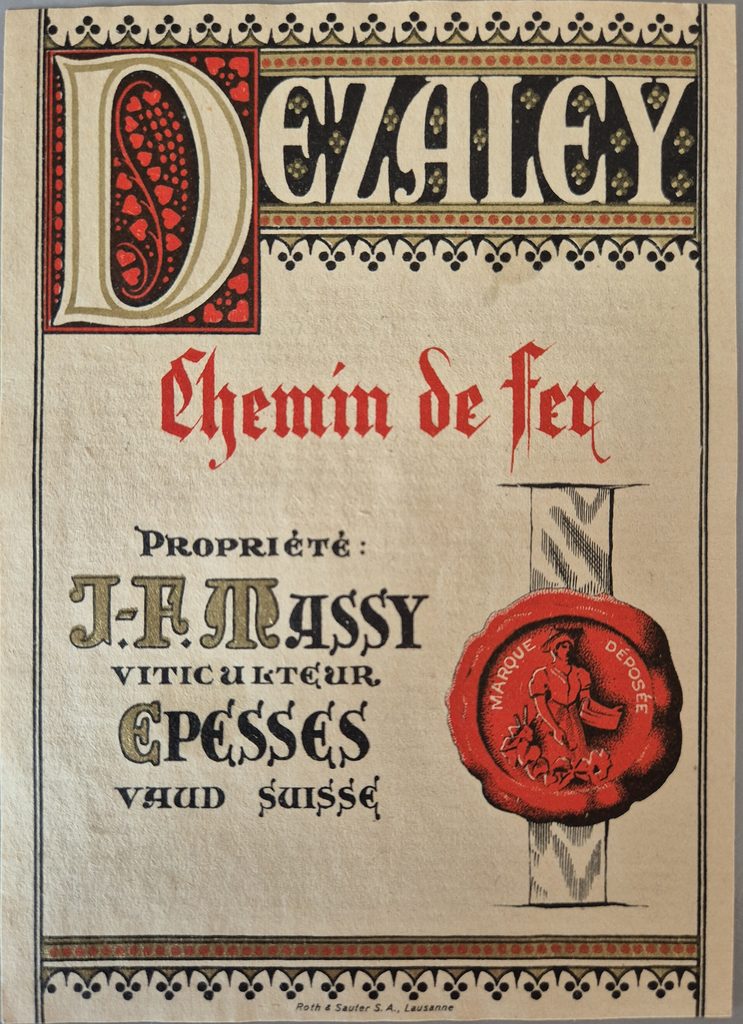
The origin of the name Dézaley Chemin de Fer
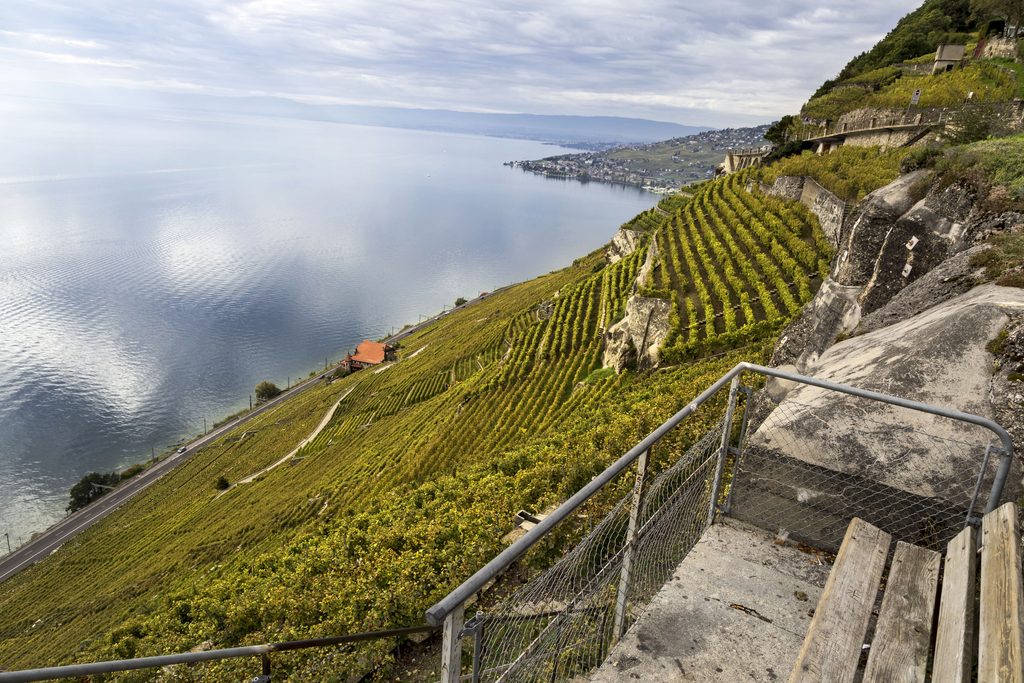
The cuvée takes its name from a plot of land located at the very bottom of the Dézaley slope. It is here that the vines receive the most heat: direct sunlight, the sun reflected by the lake, and the light radiated by the stone walls at dusk. A prime location, which the railway has since disrupted.
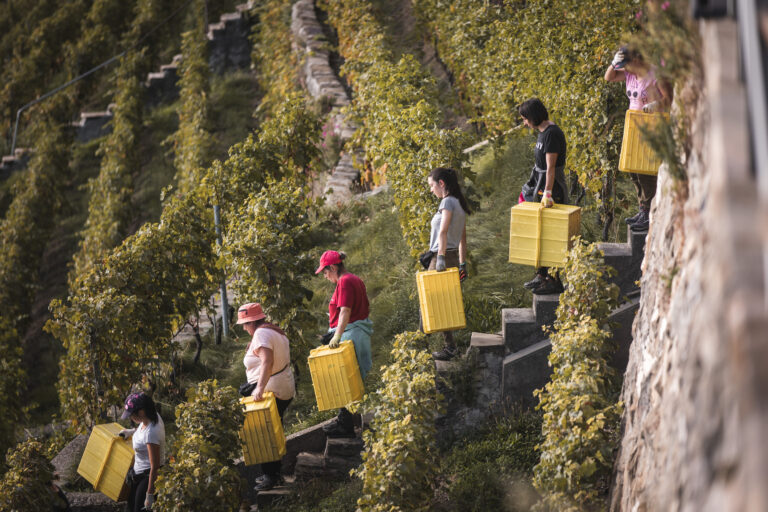
Part of the vineyard was indeed expropriated to make way for the railway line that runs along Lake Geneva at the end of the 19th century. Albert Massy then negotiated the right to continue producing wine there and replanted each of the remaining plots. Even today, the grape harvest takes place along the railway line, in rhythm with the trains that speed between the vineyards and the lake.
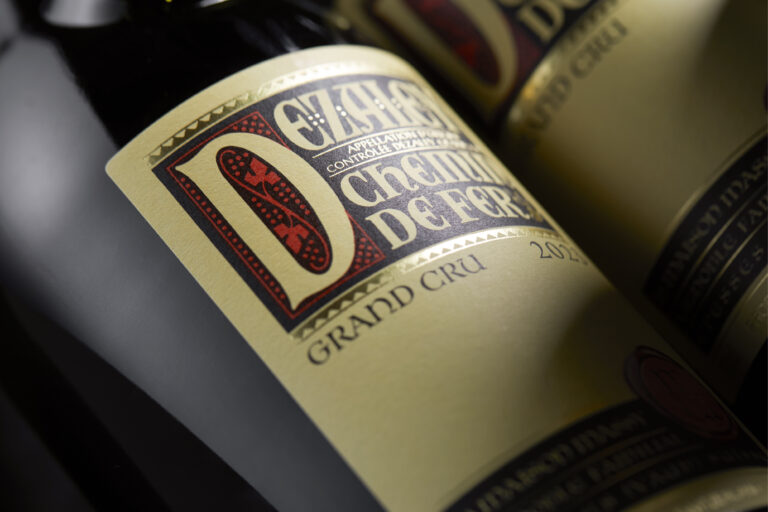
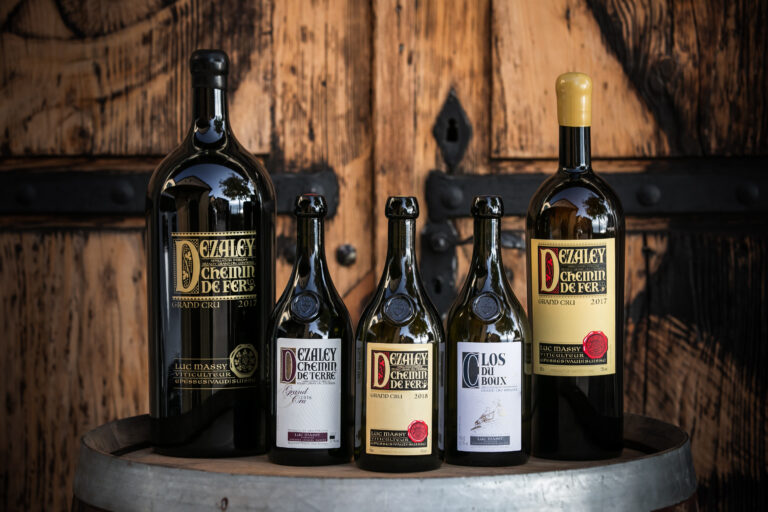
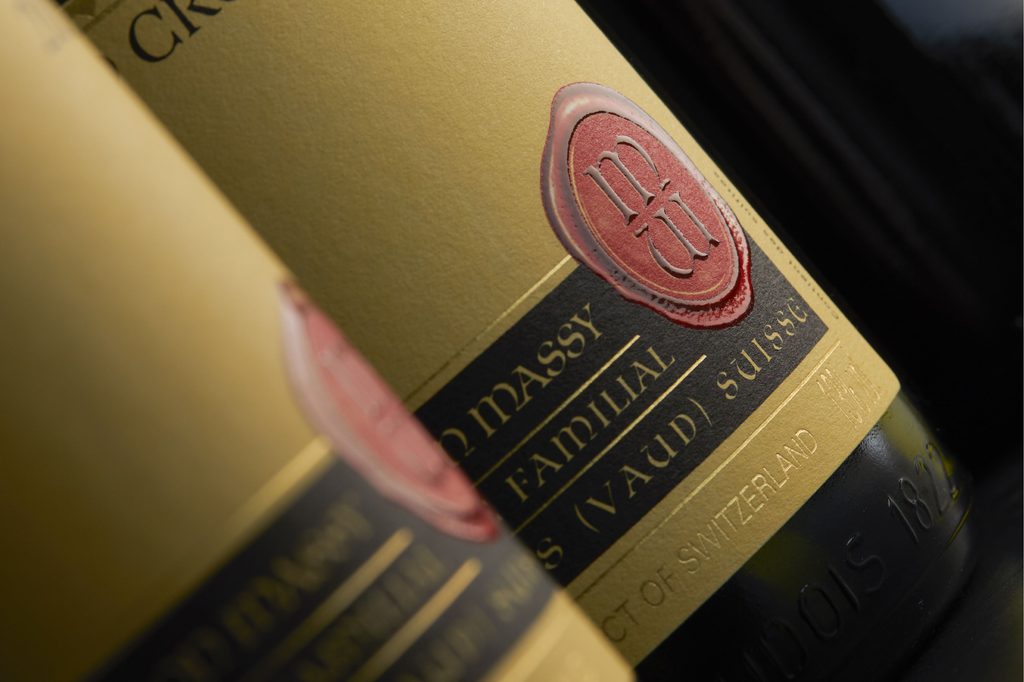
From this story was born a vintage that has become the flagship wine of the estate. The Dézaley Chemin de Fer embodies the link between an exceptional terroir, the memory of Lavaux and the entrepreneurial spirit of the Massy family.
Dézaley, the cradle of the Lavaux vineyards
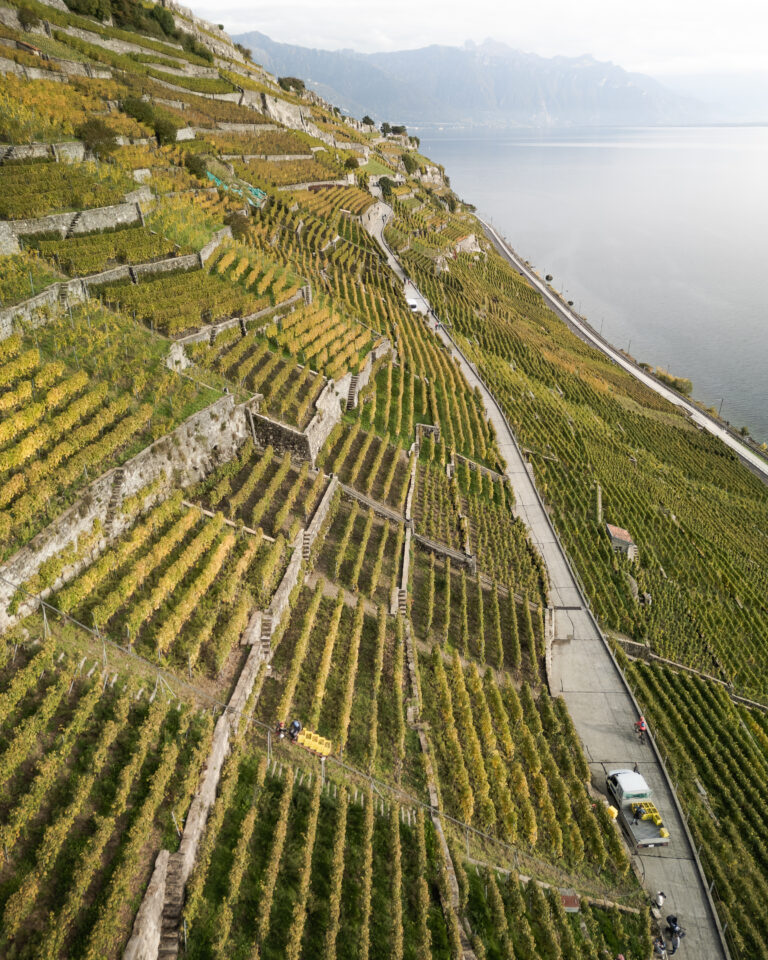
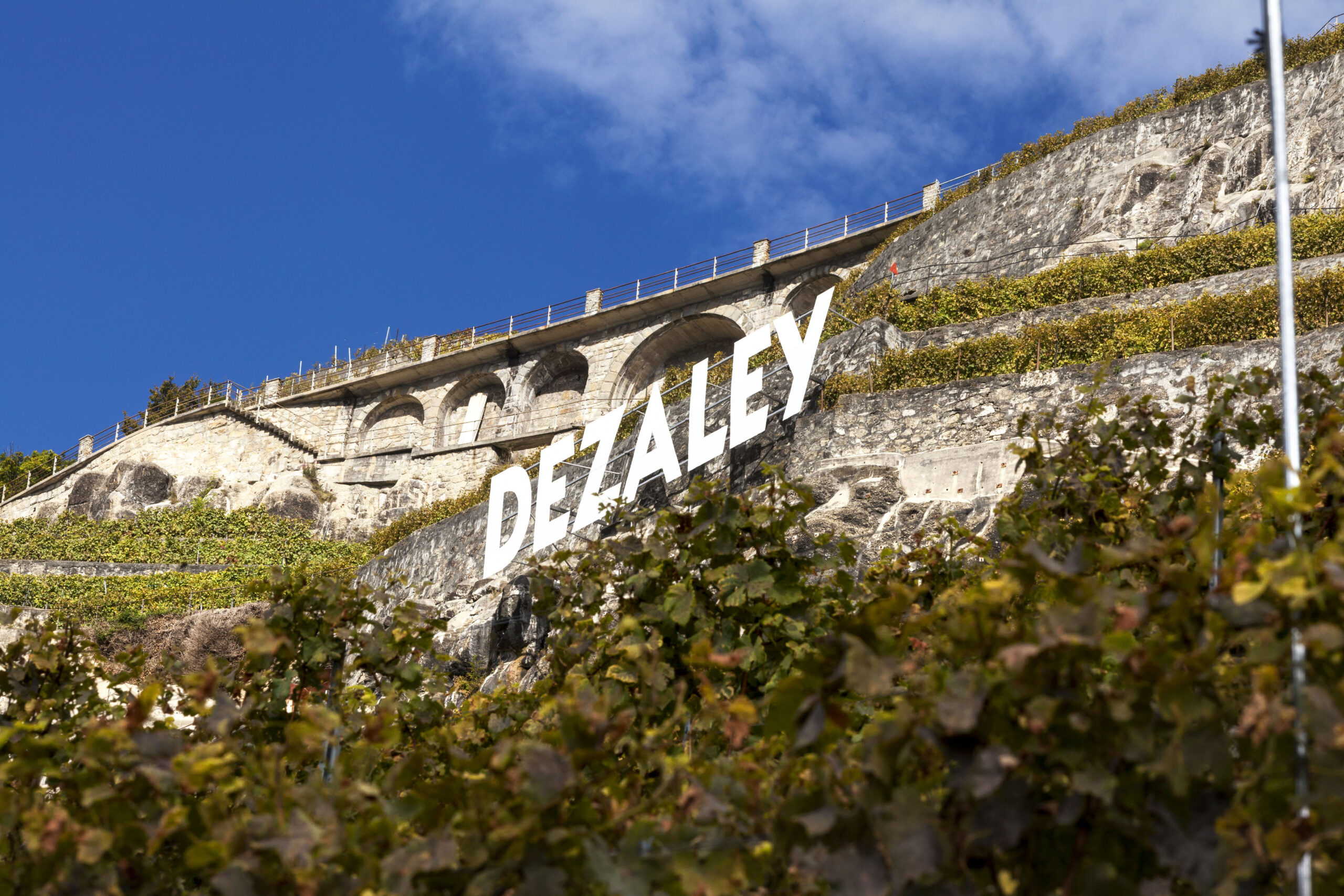
To understand this wine, we must go back to the 12th century. In 1141, Guy de Maligny, Bishop of Lausanne, gave these uncultivated slopes to the monks. The Cistercians of Hautcrêt cleared the western slopes as early as 1141, those of Montheron the eastern slopes from 1142, while the Premonstratensians of Humilimont began cultivating the northern slopes in 1148, giving rise to the Dézaley de Marsens. Stone by stone, the monks shaped the terraced landscape that is now the hallmark of Lavaux. Since then, vines have been cultivated there continuously.
The abbeys retained ownership until 1536. Bern then received the Hautcrêt estate, called Dézaley d’Oron, and Lausanne the Montheron estate, known as Clos des Abbayes. Under Bernese rule, the wine was transported to Bern. In 1803, Lausanne bought back Hautcrêt, which was renamed Clos des Moines in 1912.
Between the 18th century and 1839, after a period of abandonment in the 15th and 16th centuries, the vineyards were rebuilt in terraces supported by stone walls. As for the name “Dézaley,” it only became established at the beginning of the 20th century. Previously, it was referred to as Upper Dézaley, Lower Dézaley, or Hautcrêt.
A unique terroir, protected by the Dézaley Grand Cru AOC
The Dézaley vineyard covers approximately 54 hectares in the heart of Lavaux, a UNESCO World Heritage site since 2007. In some places, the slope reaches 100%, or 45 degrees. Soil studies have confirmed that, with its moraines resting on molasse, this terroir is unique in the canton of Vaud.
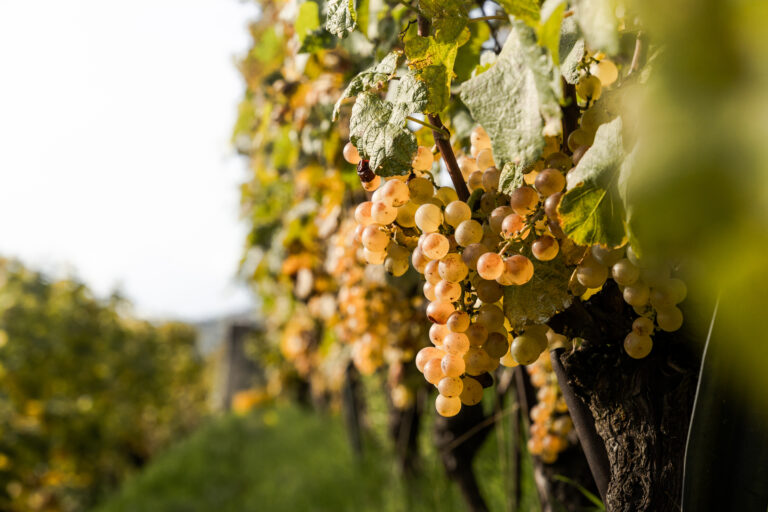
Here, the vines benefit from three suns. The walls, like giant planters, allow each vine to receive sunlight right down to its base, unshaded by its neighbors. The lake reflects the heat, which the stones radiate back. Then, a dry wind sweeps across the hillside, drying the vines and cooling them as night falls. This alternation of heat and cold enhances the aromas of the grapes and gives rise to truly great wines, protected by a Grand Cru AOC designation.
The prize for excellence
This quality comes at a price. The land, which slopes down to Lake Geneva, requires constant maintenance, and the walls eroded by time must be rebuilt. In these steep and difficult-to-access plots, the winemaker’s work is most often done by hand. It’s demanding labor, but the wines of Dézaley richly reward it.
At the foot of the slope, between the railway tracks and Lake Geneva, the Dézaley Chemin de Fer has been extending the legacy of Albert Massy for over a century. A great vintage of Lavaux that is savored like turning the pages of a history book.
Discover the Dézaley Chemin de Fer in our shop or come and taste it at our cellar in Epesses.