Grape harvest in Epesses: a 2026 vintage born from a dry spring and a scorching summer
In Epesses, the grape harvest tells a different story each year, and the 2026 harvest will be one to remember. A dry spring, with almost no rain, preceded a summer marked by intense and persistent heat. In our terraced vineyards overlooking Lake Geneva, this combination dictated the rhythm: vines that had to contend with the lack of water, grapes that ripened faster than usual, and harvesters mobilized earlier than expected. At La Maison Massy , we approach this harvest with the same exacting standards as always: picking by hand, at the right moment, so that this exceptional vintage yields a wine worthy of the challenge it has presented.
A vintage shaped by drought and heat
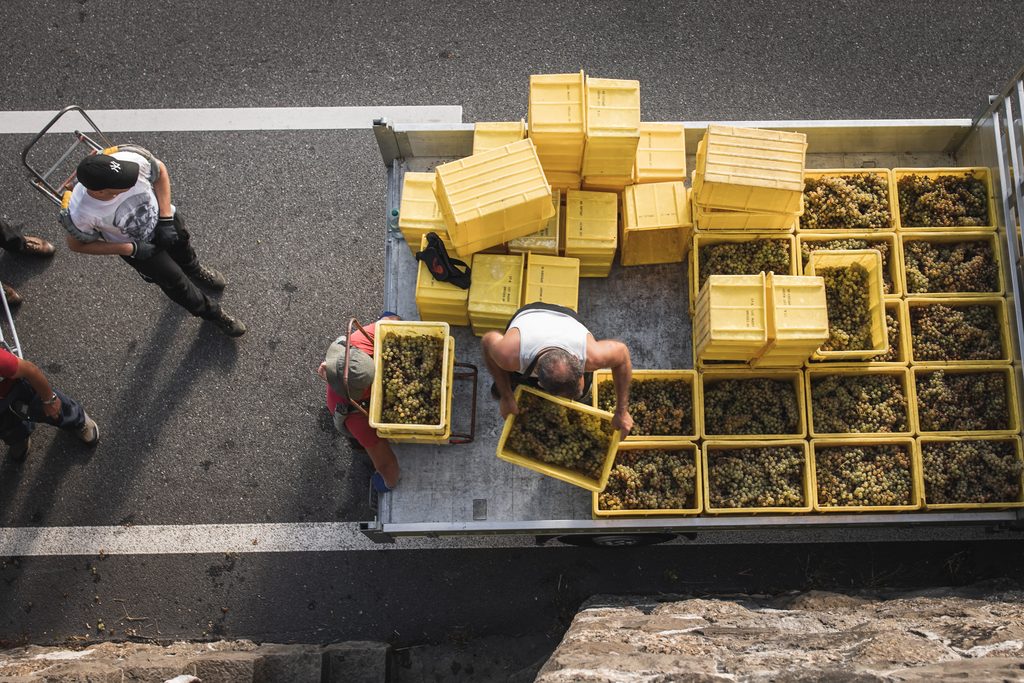
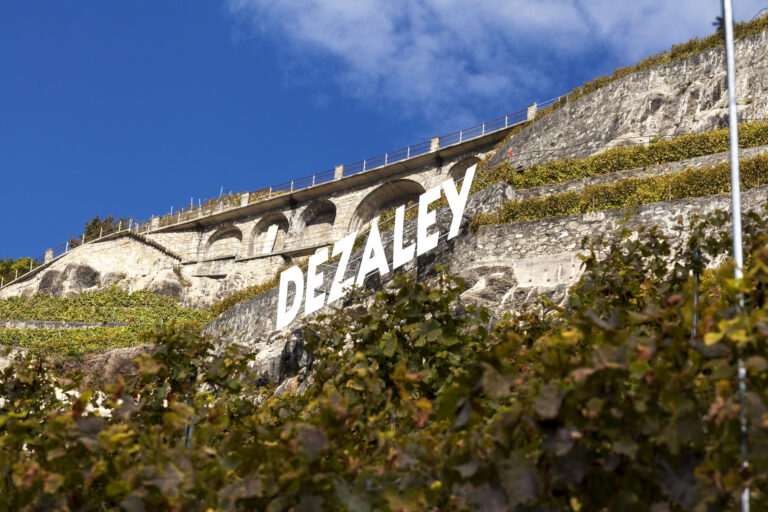
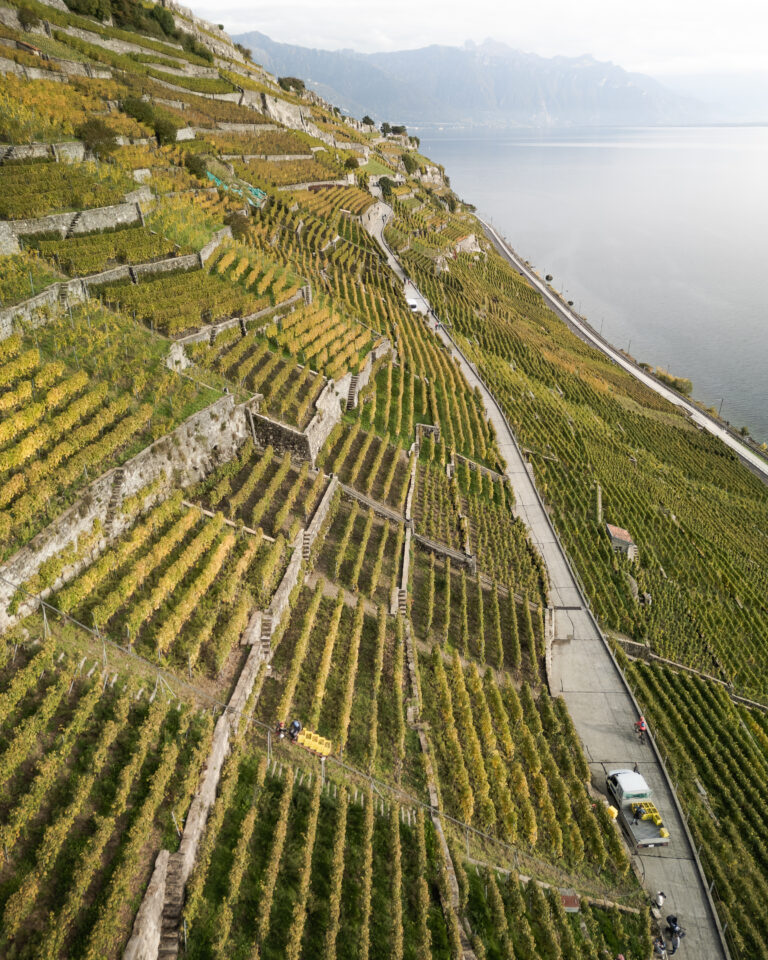
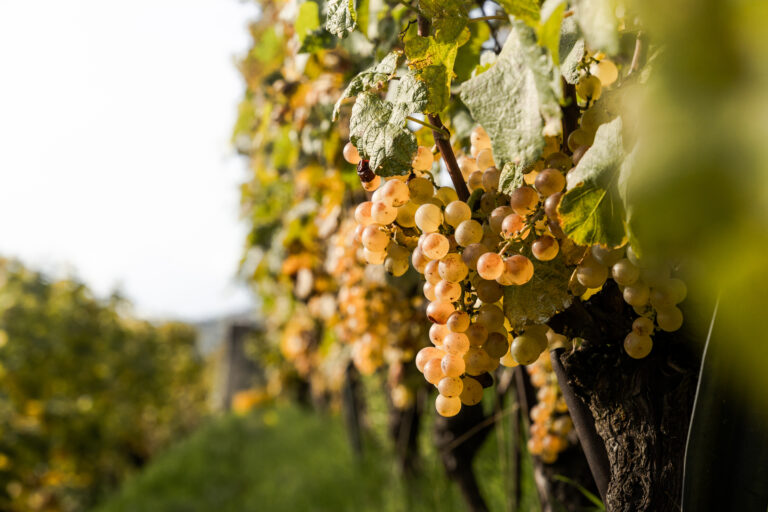
From April onwards, the lack of rainfall was felt on the slopes of Lavaux, a region listed as a UNESCO World Heritage site . This dry spring limited the vines’ vegetative vigor, forcing them to draw on their reserves rather than benefiting from the waterlogged soil. Then summer arrived with its share of scorching days, accelerating photosynthesis and the ripening of the grapes. The result: smaller bunches, thicker skins, and rapidly rising sugar levels.
For our winemakers, this type of year demands constant vigilance: monitoring water stress, protecting the grapes from potential sunburn, and above all, not letting habit dictate the calendar. In 2026, it was the vine itself, not the calendar of previous years, that signaled the start.
The history and tradition of the grape harvest in Epesses
Here, the grape harvest remains an unmissable event for all Swiss wine enthusiasts, regardless of the year’s weather. This tradition, rooted in the Middle Ages when Cistercian monks shaped these terraces and understood the unique potential of these lands, is still passed down from generation to generation in the village’s winemaking families.
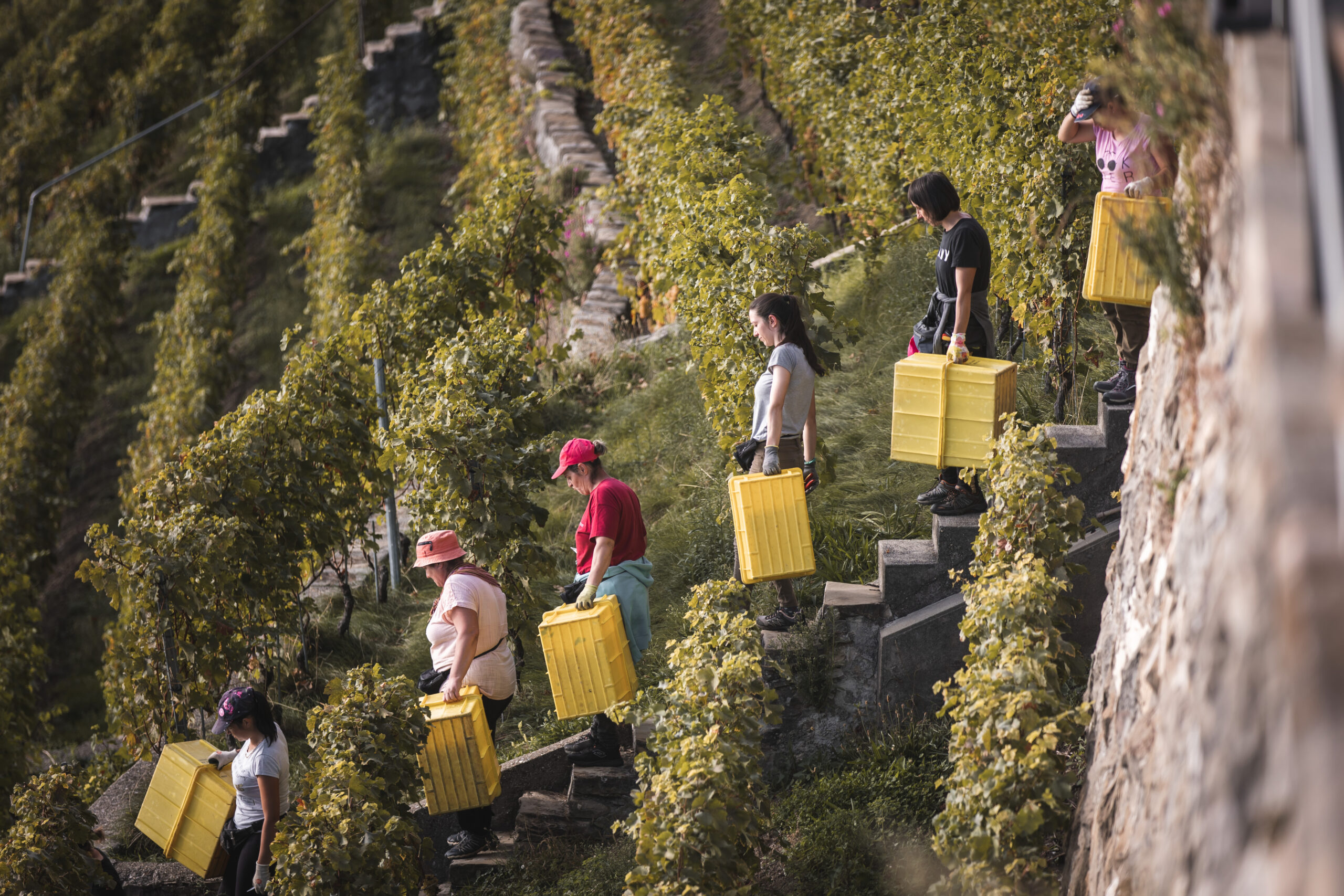
At La Maison Massy, it’s been a family affair for four generations. We still remember our grandfather’s grape harvests, when we shared a hot soup and a glass of Chasselas at the end of the day. This blend of hard work, passion, and camaraderie hasn’t changed, even when, as in 2026, the heat forces us to start harvesting at dawn to preserve the freshness of the grapes.
When will the grape harvest begin in 2026?
This year, the question didn’t linger: the grapes ripened early. The dry spring limited vegetative growth, and the very hot summer accelerated the sugar development of the grapes. Our teams closely monitored the sugar and acidity levels, knowing that excessive heat can lower acidity as quickly as it raises sugar levels. We begin the Chasselas harvest on September 14th, but we already harvested some plots as early as August.
A climate that is disrupting established norms
Climate change is no longer a distant hypothesis for the winegrowers of Lavaux: 2026 is yet another concrete illustration of this. After a particularly dry spring, the summer brought a series of scorching days, leading to accelerated ripening and, in some places, significant water stress on the shallower plots.
Faced with these challenges, the team at La Maison Massy remains optimistic. As we like to say: “Each vintage is an adventure, and 2026 reminded us that we must be adaptable; we are taking on this challenge with a smile and a lot of passion!”
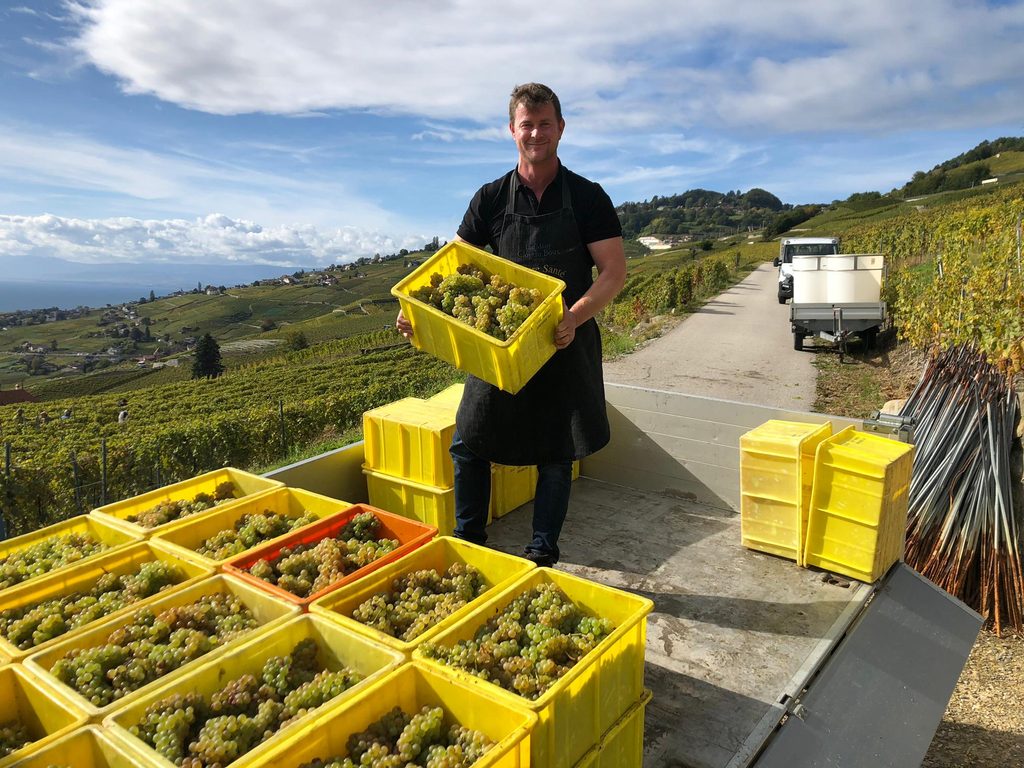
The artisanal expertise of manual grape harvesting
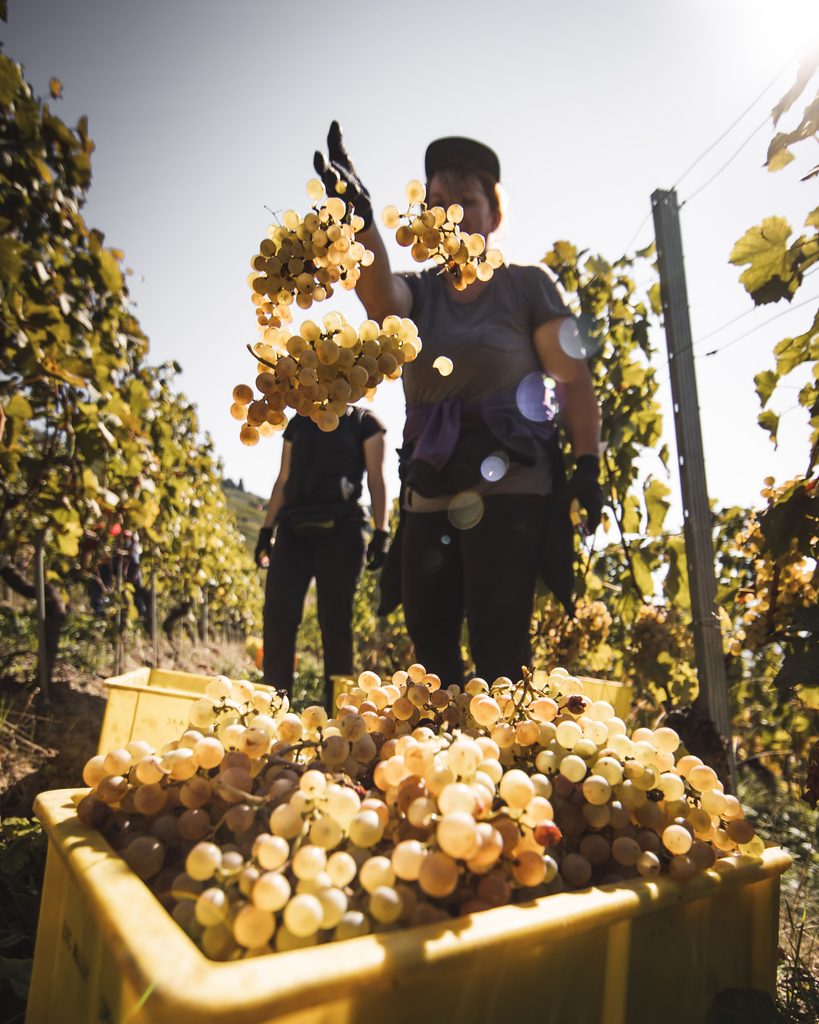
In a year as demanding as 2026, hand-harvesting takes on even greater significance. It is the only way to sort each berry individually, discarding those too marked by the heat and preserving the finesse that makes Chasselas de Lavaux so special. Hand-sorting removes berries shriveled by the heat, a precious advantage in a dry year, while also being a gentle touch for the vines, essential when they are already weakened by drought. Hand-harvested grapes also better retain their aromas, a key factor during such rapid ripening.
From harvest to winemaking
Once hand-harvested, the 2026 grapes, more concentrated in sugar and with thicker skins, are moved on to vinification. The bunches are carefully pressed to release a rich and fragrant juice, then the must begins its fermentation in vats, under the watchful eye of our head winemaker, attentive to the balance between power and freshness.
For Chasselas , this process follows a very precise logic. Hand-harvesting allows for the collection of whole bunches, without damaging them, which are then quickly transported to the press for direct pressing: the grapes are pressed as is, without prior maceration or destemming, resulting in a clear and delicate juice, true to the finesse of the grape variety. This must is then placed in vats for alcoholic fermentation, during which the yeasts gradually transform the sugars into alcohol, slowly revealing the aromas specific to the terroir of Epesses and Lavaux.
The role of the local area and Lake Geneva in such a hot summer
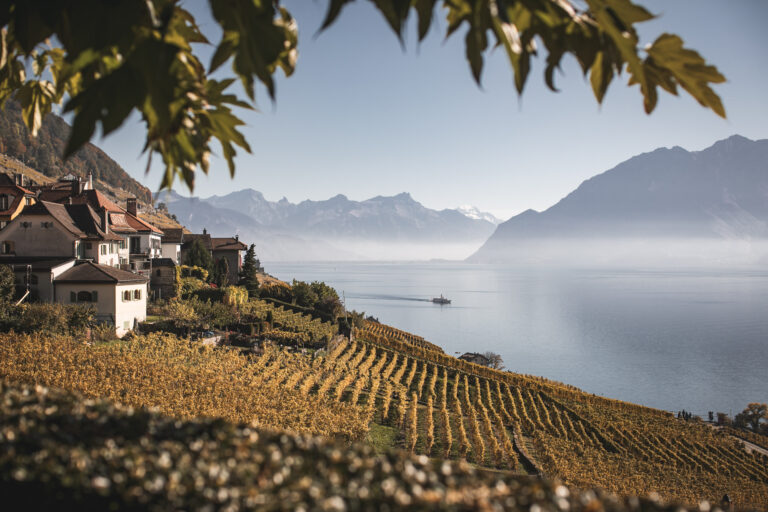
Without this unique combination of soil and lake, the impact of the dry spring and scorching summer would have been far more pronounced. In 2026, more than ever, the climate and terroir of Epesses formed an essential barrier to preserve the quality of the grapes.
C’est précisément dans une année comme 2026 que la valeur du terroir d’Epesses se révèle pleinement. L’orientation sud des terrasses, généralement un atout pour mûrir les raisins, a demandé cette année une gestion attentive de l’exposition. Deux éléments ont toutefois joué un rôle protecteur essentiel : un sol capable de retenir une fraîcheur profonde, apportant élégance et équilibre malgré la sécheresse de surface, et le lac Léman, véritable régulateur thermique, qui a atténué les pics de chaleur et limité le stress des vignes les plus proches du rivage.
Adapting without abandoning traditions
The dry spring and scorching summer of 2026 serve as a reminder that the winemaking profession evolves with the climate. Yet, in Epesses, the balance between innovation and tradition remains the rule: dates are adjusted, vineyard monitoring is strengthened, but the ancestral practices that ensure the quality of the wine are preserved.
At La Maison Massy , we have continued to use the same press for thirty years, our nod to the past, a way of saying that we are moving forward and adapting without ever forgetting where we come from.
The grape harvest in Epesses in 2026 is not just a simple obligatory step: it is a new act of resilience, proof that La Maison Massy knows how to meet the challenges of the climate without ever losing the soul of its know-how.